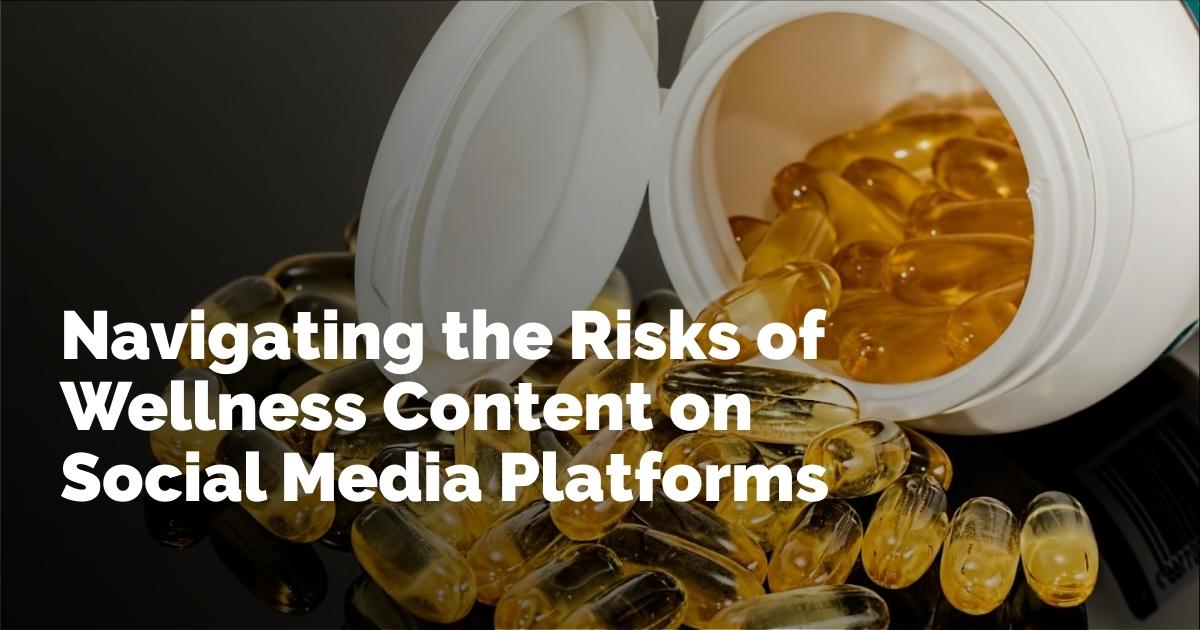
Navigating the Risks of Wellness Content on Social Media Platforms

1. Introduction to Health Information on Social Media

2. Impact of Mis- and Disinformation

3. Challenges of Assessing Credibility Online

4. Common Sources of Inaccurate Information

5. The Role of Influencers in Spreading Misinformation

6. Consequences for Public Health and Wellness

7. Ways to Verify Health Claims Online

8. Importance of Critical Thinking When Consuming Content

9. Strategies for Platforms to Improve Information Accuracy

10. Conclusion: Navigating Health Information on Social Media
Bringing the World to Your Doorstep: The Joy of Home Experiences

Understanding Third Places and Community
The Concept of Third Places
History and Significance of Third Places
Types of Modern Third Places
The Role of Third Places in Personal Well-being

Youth and Social Media as a Community
Shift from Physical to Online Spaces
Impact of Social Media on Youth Connection
Mental Health Implications of Social Media Use

Challenges in Replacing Third Places with Social Media
Lack of Genuine Interactions
Increased Feelings of Isolation
The Illusion of Connectivity Online

Cultivating Real-life Community Spaces for Youth
Encouraging Face-to-face Interactions
Building Supportive Local Communities
Role of Schools and Youth Centers

Balancing Online and Offline Community Spaces
Strategies for Healthy Social Media Use
Promoting Digital Detox Practices
Integrating Technology in Positive Ways

Conclusion: Reclaiming Third Places for Mental Health
Restoring Balance in Community Engagement
Emphasizing Authentic Connections

The Impact of Influencers on Teenagers: Truths and Myths

Introduction to Influencer Culture

Defining Gaslighting in Modern Context

Impact on Teenage Identity Development

Influencers’ Role in Shaping Self-Perception

Psychological Effects of Online Manipulation

Recognizing Signs of Gaslighting in Media

Strategies for Promoting Healthy Online Habits

Encouraging Critical Digital Literacy in Teens

Support Systems and Resources for Teens

Conclusion: Navigating Influencer Culture Responsibly

The Role of Mass Media in Shaping Mental Health Stigma

– Introduction to Mental Illness Representation
– The Impact of Movies on Public Perception
– How Film Depicts Mental Health Conditions
– Social Media’s Role in Mental Health Stigmatization
– Consequences of Misrepresentation in Media
– Examples of Stigmatizing and Trivializing Content
– The Importance of Accurate and Sensitive Portrayals
– How Positive Representations Can Change Perceptions
– Steps for Media to Improve Mental Health Depictions
– Conclusion: Moving Towards Better Representation

The Role of Mass Media in Shaping Mental Health Stigma

Introduction to Mental Illness in Media
Impact of Movies on Mental Health Perceptions
Role of Film in Stigmatizing Mental Health
Social Media’s Influence on Mental Illness Narratives
Popular Culture’s Trivialization of Mental Disorders
Consequences of Misrepresentation
Importance of Accurate Representation
Positive Steps for Change in Media
Conclusion: The Path to More Responsible Portrayals

Transforming Minds: 8 Ways Social Media Influences Student Psychology

Introduction to Social Media’s Influence

The Pervasiveness of Social Media

Transformative Effects on Everyday Life

Exploring Social Media’s Psychological Impact

How Social Media Affects Student Psychology

Neuroscientific Insights on Brain Rewiring

Social Media’s Role in Shaping Identity

Potential Positive Effects on Students

Negative Psychological Implications of Social Media Use

Balancing Social Media for Mental Well-Being

Strategies to Mitigate Adverse Effects

Conclusion: Embracing Social Media Mindfully

Unveiling the Dark Side of Social Media Influencers in Marketing and Consumer Trends

Introduction to Social Media Influencers
The Rise of Influencers in Modern Society
Psychological Impacts of Influencers
Health Risks Associated with Influencer Culture
Security Concerns Linked to Influencers
The Need for Tighter Regulations
Current Regulatory Landscape
Potential Regulatory Approaches
Conclusion: Balancing Influence and Responsibility